
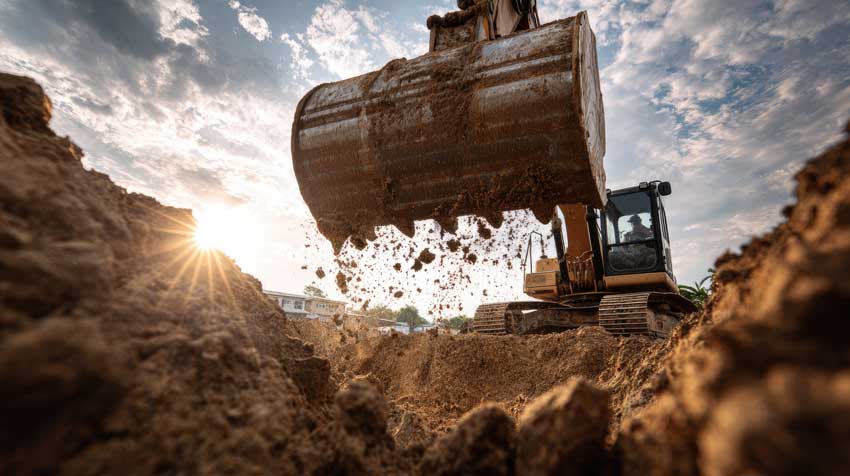
Excavation might look like simply digging a hole, but it’s one of the most critical steps in any construction or landscaping project. Done right, it prepares a solid foundation for everything from driveways and drainage systems to pools and building additions. Done wrong, it can cost time, money, and a lot of headaches.
Here are five everyday mistakes homeowners make with excavation — and how to avoid them for a smoother project from start to finish.
Skipping a thorough site assessment
Before any soil is moved, the land needs to be evaluated for soil type, slopes, water patterns, and hidden obstacles. Failing to assess these factors can lead to unstable trenches, water problems, or unexpected costs once digging begins.
How to fix it: Always start with a professional site survey. Experienced excavators can identify soil conditions, drainage issues, and potential risks so that the project can be planned safely and efficiently.
Not locating underground utilities
One of the biggest risks in excavation is hitting utility lines — like gas, electric, water, or sewer — that are buried beneath the surface. Damaging utilities can be dangerous and expensive.
How to fix it: Contact your local utility marking service (in the U.S., call 811) before digging. This free service locates and marks underground lines so excavation can proceed without hazard.
Ignoring permits and local regulations
Every community has rules for digging that protect public infrastructure and ensure safety. Starting a project without required permits can result in fines, forced redesigns, or costly rework.
How to fix it: Check with your local building department early in the planning process. Your excavator can help identify necessary permits and ensure your project complies with local codes.
Improper water management
Water is one of the leading causes of excavation issues. Whether it’s rainwater pooling in the work area or groundwater seeping into trenches, unmanaged water can destabilize soil and delay the job.
How to fix it: Plan for water control before digging begins. This may include temporary pumps, drainage swales, or scheduling work during drier conditions. Proper water management protects both your site and the excavation crew.
Choosing the wrong equipment or technique
Every excavation project is unique. Using the wrong machinery or digging method can slow progress, damage the site, and increase costs.
How to fix it: Work with an experienced excavating contractor who has the right equipment for your specific job — whether it’s tight spaces, heavy clay soil, or complex grading needs.
Excavation sets the stage for your entire project, so taking the time to avoid these common mistakes pays off in safety, efficiency, and results. If you’re planning upcoming site work — from drainage and grading to foundations and utilities — Little’s Excavating has the experience, equipment, and local know-how to get it done right.